
Seasonal activities can give assisted living residents meaningful ways to stay active, connected, and oriented throughout the year. In Selinsgrove, PA, changing weather, familiar traditions, and the rhythm of the seasons can guide activities that are enjoyable without being overly tiring or difficult to access.
Good programming is not limited to large outings. A small gardening project, a music afternoon, a holiday craft, or a short walk may support physical movement, memory, conversation, and emotional well-being.
What makes a seasonal activity suitable for assisted living residents?
The most suitable activities are flexible, familiar, and easy to adapt. Residents may have different mobility levels, vision or hearing needs, interests, and tolerance for noise or extended participation.
Activities generally work best when they include:
- A seated or low-impact option
- Simple instructions and clear demonstrations
- Enough time to participate without rushing
- Opportunities for conversation
- Adaptations for wheelchairs, walkers, tremors, or limited hand strength
- A quiet area for residents who need a break
- Familiar music, foods, stories, or seasonal objects
Participation should be invited rather than forced. A resident who does not want to join a group activity may still enjoy looking at photos, listening to music, helping prepare materials, or talking with another person about a related memory.
Which spring activities can residents enjoy?
Spring activities can focus on renewal, fresh air, plants, and familiar household routines. Outdoor time should be planned around comfortable temperatures, safe walking surfaces, and protection from rain or strong sunlight.
Practical spring activities include:
- Planting herbs or flowers in raised containers
- Decorating small pots with paint or seasonal designs
- Sorting seeds, garden tools, or artificial flowers
- Watching birds from a window or sheltered outdoor area
- Creating spring-themed greeting cards
- Listening to nature sounds or familiar music
- Holding a “spring memories” discussion about gardening, school days, or family traditions
- Taking short supervised walks when paths are dry and clear
Container gardening is especially useful because residents can participate while seated. Staff or family members can prepare soil and heavier materials, while residents choose colors, arrange plants, label containers, or water with a lightweight cup.
Spring weather can change quickly. Even on a warm afternoon, damp grass, muddy walkways, wind, or pollen may make outdoor activities uncomfortable. Indoor alternatives should be ready so the activity does not depend entirely on the forecast.
How can summer activities remain safe and comfortable?
Summer activities should be scheduled during cooler parts of the day, often in the morning or early evening. Heat, humidity, dehydration, glare, and fatigue can affect older adults more quickly than they expect.
Comfortable options include:
- Indoor ice cream or fruit tastings
- Watercolor painting with summer colors
- Simple indoor bowling or balloon volleyball
- A shaded patio visit with cold water available
- Music programs featuring songs connected with summer
- Folding towels, arranging artificial flowers, or other familiar tasks
- Looking through travel photographs or creating a scrapbook
- Short outdoor visits followed by time in an air-conditioned space
Outdoor seating should provide shade and stable surfaces. Residents should have access to fluids, lightweight clothing, hats, and a way to return indoors without walking a long distance.
A common misconception is that summer activities must take place outside. For residents who are sensitive to heat, have respiratory concerns, or tire easily, an indoor activity near a bright window may be more enjoyable and safer than a lengthy outdoor event.
What are useful fall activities for residents?
Fall offers sensory experiences that can encourage conversation and reminiscence. Leaves, apples, harvest colors, familiar recipes, and seasonal music may prompt memories of household routines and family gatherings.
Appropriate activities may include:
- Arranging artificial leaves or seasonal centerpieces
- Making collages with large paper leaves
- Listening to music associated with school or harvest traditions
- Baking or assembling a simple snack with supervision
- Sorting pinecones, fabric leaves, or other safe decorative materials
- Taking a brief walk to observe changing foliage
- Sharing stories about family meals, hunting, canning, school events, or autumn work
- Decorating pumpkins with paint, stickers, or markers instead of carving
Fall decorations should be checked for tripping hazards. Loose cords, small objects, unstable displays, and clutter near walking paths can create problems, particularly for residents who use mobility equipment or have reduced depth perception.
Food-centered activities also require care. Some residents may have diabetes, swallowing difficulties, food allergies, or modified diets. A seasonal tasting can still work when portions are small and the available foods match individual dietary needs.

Which winter activities work well indoors?
Winter activities are often most successful when they bring warmth, light, and social connection indoors. Shorter days, cold temperatures, icy surfaces, and respiratory illness concerns may limit outdoor plans.
Indoor winter ideas include:
- Making simple decorations from paper, fabric, or large craft pieces
- Singing familiar seasonal songs
- Watching classic films followed by conversation
- Holding a hot beverage or soup tasting that follows dietary guidelines
- Creating a memory table with winter clothing, photographs, and household objects
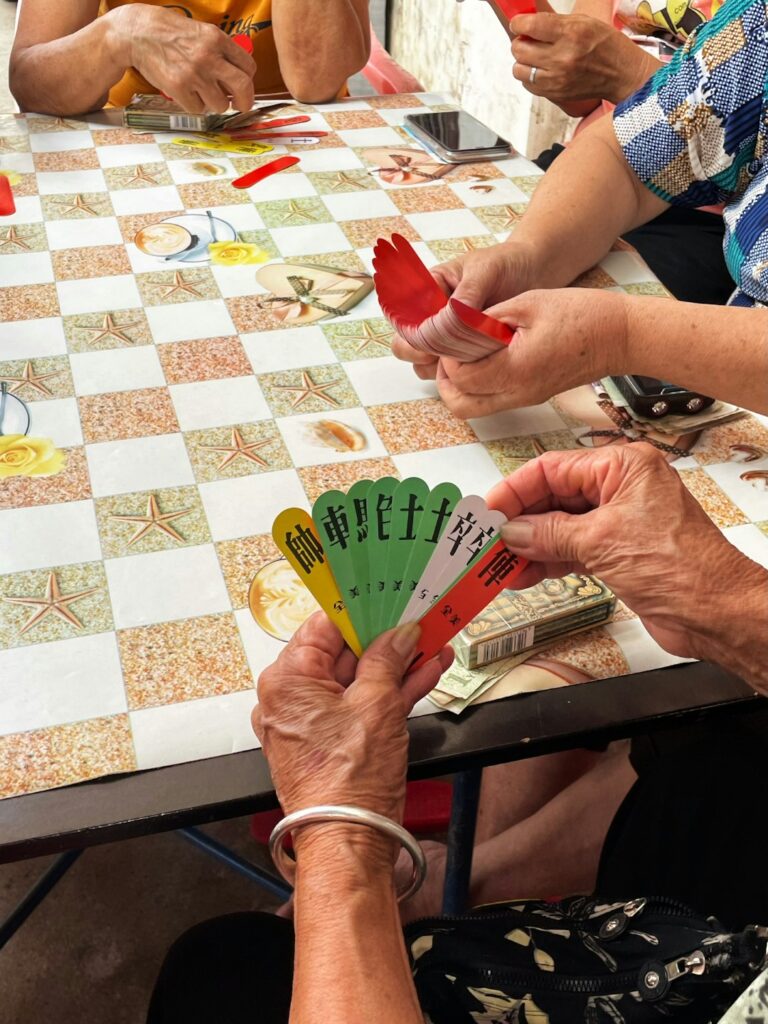
- Playing card games, word games, or large-print trivia
- Writing notes or making cards for relatives
- Practicing gentle seated exercises with music
- Sharing stories about winter traditions and past celebrations
Holiday activities should be inclusive and optional. Residents may celebrate different traditions, may not observe holidays, or may feel sadness after a loss. Neutral winter themes, music preferences, and opportunities for quiet participation help prevent seasonal programming from becoming stressful.
Winter safety also extends beyond the building. Snow, ice, freezing rain, and wet entryways can make a short outing unsafe. If residents go outdoors, the route should be checked for stable footing, handrails, adequate lighting, and a quick return option.
How can activities support residents with memory loss?
Residents with dementia or other cognitive changes may benefit from activities that rely on familiar steps rather than new skills. Repetition can be reassuring, and the goal does not need to be a finished product.
Helpful approaches include:
- Demonstrating one step at a time
- Using large, easy-to-see materials
- Offering two simple choices rather than many options
- Connecting activities to the resident’s past interests
- Allowing hand-over-hand assistance only when welcomed and appropriate
- Avoiding correction when a resident remembers details differently
- Focusing on sensory experiences such as music, texture, scent, or color
A resident who once enjoyed cooking may be more comfortable stirring, measuring, sorting, or discussing recipes than following a complete recipe. Someone who worked outdoors may enjoy handling artificial flowers, looking at seed packets, or talking about seasonal changes.
How can families participate without making activities complicated?
Family involvement can add meaning without requiring elaborate events. A relative might bring photographs, share a familiar recipe, play an instrument, read aloud, or join a short walk when conditions are safe.
Simple preparation is often enough:
- Ask about the resident’s favorite seasons and traditions.
- Bring large-print photographs or easy-to-handle objects.
- Keep visits flexible if the resident becomes tired.
- Avoid testing memory with questions that may feel like a quiz.
- Focus on conversation, observation, and shared enjoyment.
Seasonal activities are most effective when they fit the resident rather than asking the resident to fit the activity. Across spring, summer, fall, and winter, familiar routines, appropriate pacing, and respectful choice can make ordinary moments more engaging and socially meaningful.
