
What Are Integrative Therapies in Assisted Living?
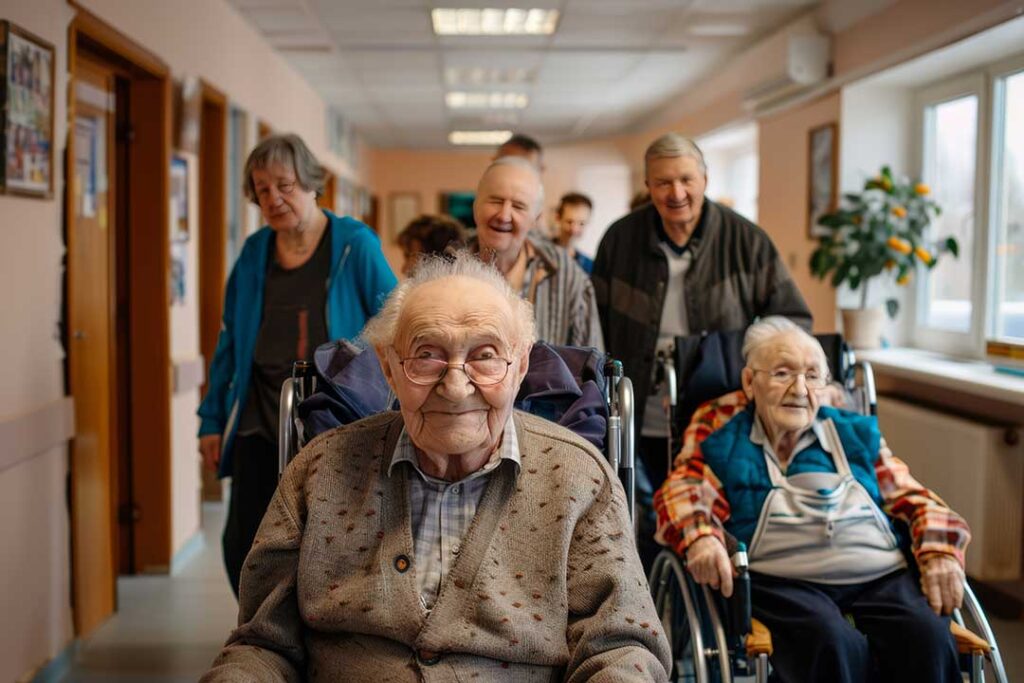
Integrative therapies combine conventional healthcare with evidence-based complementary practices, focusing on the whole person—body, mind, and spirit. In assisted living environments like those in Selinsgrove, this approach supports not just clinical care, but also quality of life, comfort, and day-to-day satisfaction for residents.
These therapies may include familiar practices such as music therapy, art activities, gardening, gentle exercise (like chair yoga or tai chi), pet interactions, and mindfulness techniques. They emphasize comfort, social connection, and engagement above medical treatment, making them a good fit for assisted living settings where residents often seek meaningful daily experiences.
Why Might Local Residents Consider These Therapies?
Integrative therapies are sought out by residents for various reasons, including managing stress, supporting emotional well-being, easing discomfort, and creating opportunities for connection. In Selinsgrove, where seasonal changes influence daily routines and outdoor accessibility, these therapy options can help older adults stay engaged and active, regardless of weather.
Residents often pursue these therapies because:
- They are low-risk and easily tailored to different interest and ability levels.
- They offer gentle ways to address pain, anxiety, or loneliness.
- Activities can take place individually or in groups, inside or outdoors.
What Are Common Types of Integrative Therapies in Assisted Living?
A variety of practices fall under the umbrella of integrative therapies. Some of the most frequently offered in local communities include:
- Music and Art Activities: Residents may participate in group music sessions, painting, crafts, or reminiscence through song and storytelling. These experiences support memory, communication, and enjoyment.
- Pet Therapy: Periodic visits from certified animals can boost mood, lower blood pressure, and provide comfort, especially for those missing family pets.
- Movement Therapies: Chair yoga, stretching sessions, and gentle tai chi classes are common, helping improve mobility, balance, and flexibility.
- Gardening and Nature Programs: Raised garden beds or indoor plants allow residents to connect with nature—a meaningful option in Selinsgrove, given the region’s marked seasons.
- Mindfulness and Relaxation Techniques: Short guided meditations or breathing exercises can help with anxiety or trouble sleeping.
Are These Therapies Safe for All Residents?
Most integrative therapies are considered safe for older adults, but individual participation should always account for personal health history, cognitive status, and mobility levels.
- Residents with allergies should use caution around animals or certain plants.
- Movement activities should be adapted for both seated and standing participants.
- Residents who may be sensitive to noise or crowds can benefit from quieter activities or smaller groups.
Families and staff can help residents choose options that suit their abilities, preferences, and comfort levels. Communication is key; if a new activity doesn’t feel right, residents are encouraged to try something different.
What Are the Potential Benefits for Residents?
Participating in these therapies often leads to subtle improvements that enhance daily living. Many residents report:
- Increased feelings of happiness and reduced boredom.
- Gentle support with pain, stiffness, or physical discomfort.
- More opportunities for social interaction and community building.
- A sense of purpose and accomplishment, especially in creative projects or gardening.
- Better management of everyday stress.
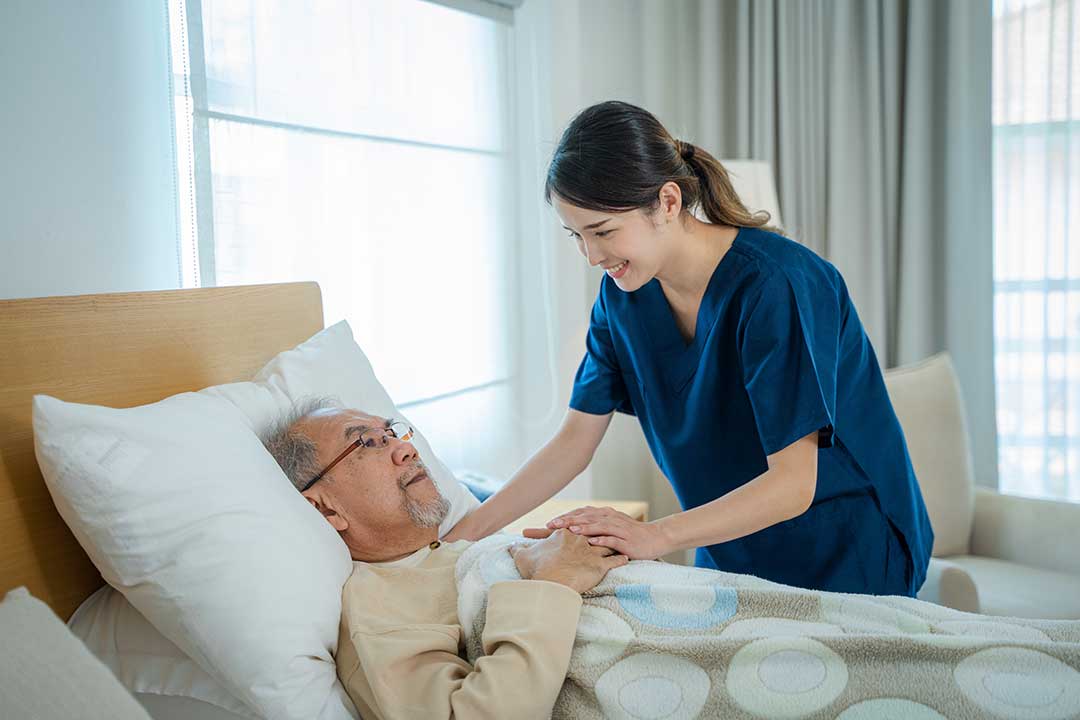
Integrative therapies do not replace prescribed medical care, but they can complement it—helping residents feel more comfortable, connected, and valued.
How Are Activities Adjusted for Weather or Limited Mobility?
In Selinsgrove, changing seasons may limit outdoor activity, especially in winter months. Local assisted living communities usually adapt by:
- Bringing nature indoors with houseplants or tabletop gardening projects.
- Scheduling more art, music, and game sessions during colder periods.
- Using common spaces for movement classes or small group gatherings.
- Offering one-on-one sessions in resident rooms if needed.
These adaptations ensure that residents can participate comfortably year-round, regardless of physical limitations or outdoor weather.
Do These Therapies Replace Medical or Nursing Care?
Integrative therapies work alongside conventional care rather than replacing it. They shouldn't be viewed as substitutes for prescribed medications, doctor visits, or daily management of chronic conditions. However, by supporting emotional wellness, connection, and gentle physical activity, they complement clinical care and can improve overall quality of life.
Residents or families with questions about adding specific therapies to a care routine can talk with staff, making sure the approach fits with any ongoing treatments or health needs.
How Can Residents and Families Learn More About Integrative Options?
Residents and their families are encouraged to learn about the range of activities offered locally by reviewing monthly calendars, talking with activity coordinators, or observing various sessions. Participation is always voluntary, and exploring new activities can be a simple way to create new routines, meet neighbors, or just try something enjoyable.
Open communication with care teams can help customize involvement—ensuring that integrative therapies support both comfort and personality.
