
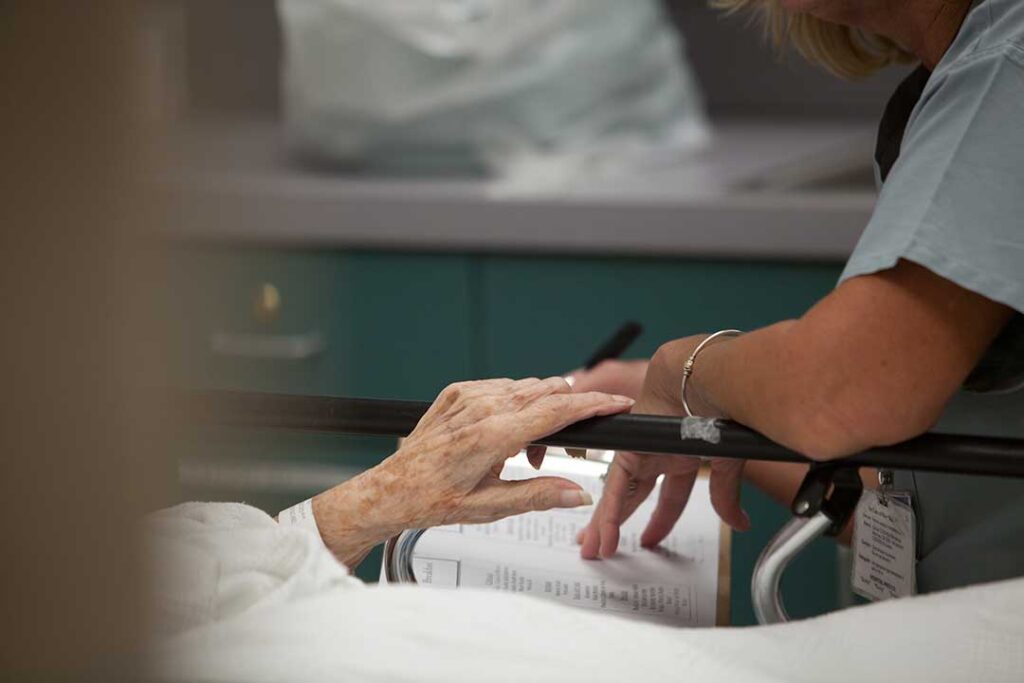
How Do Assisted Living Facilities Adapt Care to Each Resident?
Assisted living communities in Selinsgrove, PA are designed to support residents with a range of personal, medical, and social needs. These facilities recognize that every individual arrives with a unique background, health profile, set of preferences, and family expectations. Customizing care is the process of tailoring support for each person, rather than providing a single standard approach for everyone.
This means staff regularly assess each resident’s evolving needs and adjust daily routines, assistance levels, and even meal plans as circumstances change—from the first move-in day to weeks or years later.
What Is a Personalized Care Plan?
A personalized care plan is a core tool for delivering custom support. After a resident moves in—or even before—trained staff work with the resident and their family to review:
- Daily living needs (like dressing, bathing, or managing medications)
- Dietary requirements or restrictions
- Cultural or religious practices
- Hobbies and preferred activities
The plan is written down and updated regularly, especially if a medical change occurs or the resident expresses new preferences. For example, someone who wants to maintain independence might choose help only with certain tasks, while another may need hands-on assistance throughout the day.
How Are Medical and Personal Needs Managed?
Monitoring physical and emotional health is an ongoing task in assisted living. Many residents require help with medication reminders, mobility, or chronic health conditions.
Here’s how facilities address these:
- Regular health assessments to track changes and spot potential problems early
- Medication logs and assistance to reduce errors
- Coordinated visits from outside specialists if needed, such as therapists or podiatrists
Selinsgrove’s seasonal climate can influence care as well, especially for managing fall risks during icy winters or keeping residents safe during hot, humid summers.
What Role Do Residents’ Preferences Play in Daily Life?
Dining, activities, and social engagement can vary widely. Area residents often want familiar, comforting routines but also opportunities to socialize or try something new.
Facilities customize these aspects by:
- Offering a selection of meal options, often accommodating Pennsylvania Dutch and other regional favorites
- Adjusting activity calendars based on resident feedback—adding more group games, gardening, or music if requested
- Allowing flexible schedules for sleeping, waking, or participating in events
This approach helps residents feel more at home, rather than feeling as though every day is dictated by a strict timetable.
How Does Customization Support Independence?
Maintaining autonomy is essential for many people. Personnel adjust their assistance to encourage residents to do as much for themselves as they are able, while stepping in when extra help is wanted or required.
Examples include:
- Setting up rooms with adaptive devices or furniture for easier movement
- Respecting privacy—for instance, by assisting with bathing only as needed
- Supporting participation in religious services, volunteer work, or local gatherings if mobility allows

These adjustments can make a significant difference in quality of life, particularly in a community where neighbors and family may play an ongoing role in daily routines.
Are Families Involved in Shaping Care?
Family involvement is both welcomed and often encouraged. Relatives can provide vital background, communicate about evolving needs, or attend meetings to review care changes.
In many cases:
- Families share insights about lifelong habits or medical history
- They accompany loved ones to appointments or advocate for changes as necessary
- Updates are provided to keep everyone informed about health events or care adjustments
This collaboration ensures both residents and their families feel confident about the support being provided.
What Happens If Needs Change Over Time?
A resident’s physical or mental health may shift gradually or suddenly. Facilities monitor for these changes and adjust support to meet new needs, whether that means increasing help with daily tasks, updating a medical management plan, or recommending additional resources.
In winter, for instance, a resident who previously enjoyed frequent walks outdoors may need new activities or supports during icy weather. Staff may coordinate additional safety checks or encourage participation in indoor programs until conditions improve.
What Are Some Common Misconceptions About Customized Care?
It’s easy to assume that all assisted living facilities offer the same level of support or that once a plan is set, it rarely changes. In fact:
- Personalized care is an ongoing process, not a one-time assessment
- Residents’ preferences and independence remain central, not secondary
- Facilities work to adapt routines, not force residents into rigid schedules
Some imagine that “customization” just means offering different meal options. In reality, it extends into every part of daily living, from how medications are dispensed to whether staff knock before entering a resident’s apartment.
How Can Residents Help Ensure Their Needs Are Met?
Active communication is key. Residents and families who regularly share their experiences, concerns, and ideas with facility staff are more likely to see their wishes reflected in their day-to-day care. This might mean requesting a favorite local dish, asking for more time with a particular hobby, or expressing a desire for privacy during certain routines.
Staff are trained to listen and respond with sensitivity, reinforcing the partnership at the heart of assisted living in Selinsgrove.
