
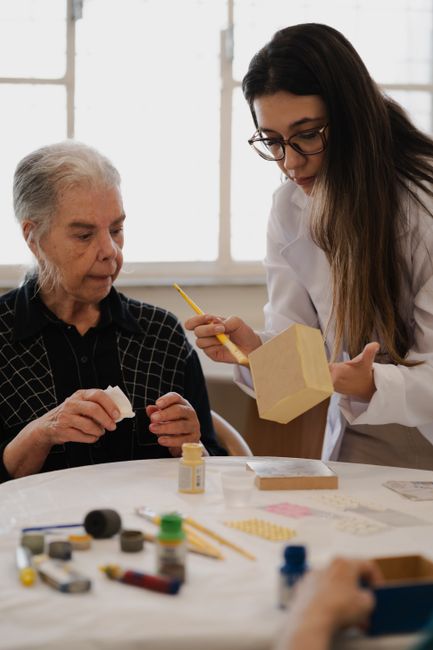
Assisted living can reduce senior isolation by creating regular opportunities for conversation, shared activities, meals, and support. It also places helpful social contact closer to a person’s living space, which can matter when driving, mobility, health changes, or household responsibilities make outside activities harder.
For older adults in Selinsgrove, PA, the move to assisted living may represent a major lifestyle change. Understanding how community living affects social connection can help families distinguish between ordinary adjustment and signs that a resident needs additional emotional support.
What is the difference between loneliness and social isolation?
Loneliness is the personal feeling of being alone or disconnected. Social isolation is a lack of regular contact, relationships, or support. A person can experience one without fully experiencing the other.
For example, an older adult may live alone and have few visitors but feel content with that arrangement. Another person may see family regularly yet still feel lonely after losing a spouse, leaving a longtime home, or becoming less able to participate in familiar routines.
Both conditions deserve attention. Persistent isolation and loneliness are associated with higher risks of depression, anxiety, cognitive decline, heart disease, and other health concerns. They are not simply signs that someone needs to “stay busier.” They may reflect grief, hearing loss, transportation problems, fear of falling, chronic illness, or difficulty adapting to change.
How does assisted living create more daily social contact?
Assisted living provides repeated, low-pressure chances to interact with other people. A resident does not need to arrange every visit or travel to every activity independently.
Social contact may occur during:
- Breakfast, lunch, or dinner
- Hallway conversations
- Scheduled exercise or wellness activities
- Card games, crafts, music, or discussion groups
- Outdoor walks or time in shared lounges
- Celebrations, educational programs, and seasonal gatherings
- Informal visits with neighbors in the community
These encounters may seem ordinary, but regular brief interactions can help a person feel recognized and included. Familiar faces also make it easier to form friendships gradually, especially for someone who is shy, grieving, or uncertain about joining a group.
The benefit is often consistency. A single family visit can be meaningful, but a dependable daily rhythm gives residents more than occasional contact.
Can assisted living help someone who does not enjoy group activities?
Yes. Social connection does not require constant participation in large gatherings. Some residents prefer quiet conversation, small groups, or one-to-one interaction.
A resident may connect through:
- Sharing a meal with one or two neighbors
- Talking with a staff member during routine assistance
- Helping with a simple community task
- Listening to music with others
- Reading or watching a program in a shared room
- Visiting with family in a comfortable common area
- Participating in a familiar hobby rather than trying a new one
An effective social environment offers choices instead of treating every resident alike. A person who avoids crowded activities may still benefit from a regular conversation partner, a smaller table at mealtimes, or an invitation to an activity connected to a longtime interest.
Respect for privacy is also part of healthy social support. Assisted living should not mean that a resident is expected to be socially available every hour of the day.
How can assisted living support residents during winter or difficult weather?
Seasonal conditions can make isolation worse when older adults avoid driving, walking, or traveling during snow, ice, heavy rain, or early darkness. Even residents who usually enjoy family visits may have fewer visitors during periods of difficult weather.
A shared living setting can reduce the effects of being confined at home by providing indoor spaces for meals, activities, conversation, and movement. Staff members may also notice when a resident has stopped leaving the apartment, skipping meals, or declining invitations.
This does not replace family contact. Instead, it provides another layer of connection when outside routines become less dependable. Family members can support continuity by calling at predictable times, visiting when practical, sharing photographs, or asking about specific activities rather than simply asking whether the resident is “doing okay.”
Does assisted living prevent depression or dementia?
No. Assisted living does not prevent every mental or cognitive health condition, and social activity is not a substitute for medical care. However, regular interaction, meaningful routines, physical activity, and access to support may help reduce some factors that contribute to declining mood and functioning.
Changes such as withdrawal, appetite loss, sleep disruption, irritability, confusion, or loss of interest should not automatically be blamed on loneliness. They may also signal medication effects, infection, pain, hearing problems, depression, dementia, or another health issue.
A noticeable or lasting change deserves careful attention from the resident’s healthcare team. Emotional support and health evaluation often need to occur together.
What should families look for when evaluating social connection?
Families can ask practical questions about how residents actually spend their days, rather than relying only on an activity calendar.
Useful questions include:
- Are meals served in a setting where residents can talk comfortably?
- Are activities offered at different times and ability levels?
- Can residents participate without walking long distances?
- Are quieter alternatives available?
- How are new residents introduced to others?
- What happens if a resident repeatedly declines activities?
- Are hearing, vision, language, or mobility needs considered?
- Can family visits occur in private or shared spaces?
- How are changes in mood or participation communicated?
The goal is not to measure the number of activities attended. A resident may attend many programs without forming meaningful relationships, while another may build strong connections through a few familiar routines.
How can a resident maintain relationships outside the community?
Moving into assisted living does not need to end existing relationships. Family members, neighbors, faith communities, former coworkers, and longtime friends may remain important sources of identity and comfort.
Visits are often easier when they are predictable and suited to the resident’s energy level. A short weekly visit may be more sustainable than occasional long visits. Conversation can also be supported by looking through photographs, listening to familiar music, folding laundry together, taking a walk, or sharing a snack.
Technology may help, but it should not be assumed to work for everyone. A large-screen device, simplified instructions, written reminders, and assistance with hearing or vision can make phone or video contact more comfortable.
What if a resident still feels isolated?
Continued loneliness after a move is common, particularly during the first several weeks or after a major loss. Adjustment may take time. A resident may need help identifying activities that match personal interests, meeting people individually, or reestablishing contact with family.
Persistent withdrawal should be discussed with the appropriate care team, especially if the resident is eating less, missing medications, expressing hopelessness, or losing interest in previously meaningful activities. Urgent statements about self-harm or not wanting to live require immediate emergency assistance.
Assisted living can provide structure and opportunity, but connection is personal. The strongest results usually come from combining dependable daily contact, meaningful choices, family involvement, respect for privacy, and attention to changes in emotional or physical health.
